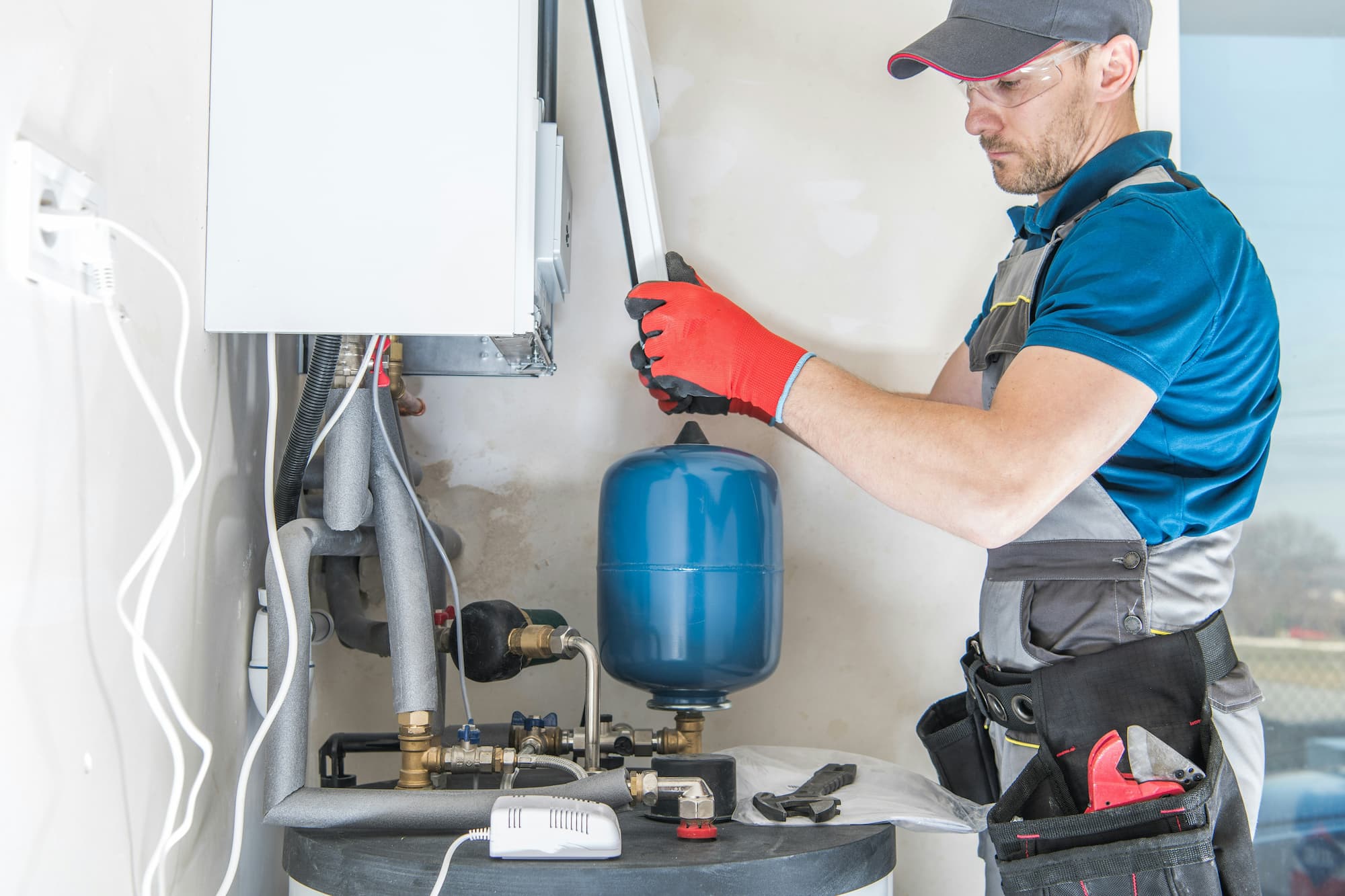
A homeowner's pipe bursts at 9pm. They open Google, tap on the first plumber that looks decent, and land on a website with a contact form.
In that moment, before they've typed a single word, the form is already doing something important. It's telling them this business probably won't get to them in time.
Not because the form says so explicitly, but because every contact form they've ever filled out has worked the same way.
You submit it, then you wait. Sometimes a day, sometimes longer.
Sometimes nothing comes back at all.
That's the first impression a contact form makes during an emergency. For most home service businesses, it's working against them before anyone on the team has even seen the inquiry come through.
The expectations customers bring to that moment are clear in the data. Two-thirds of homeowners expect a response within a few hours when they reach out to a service provider.
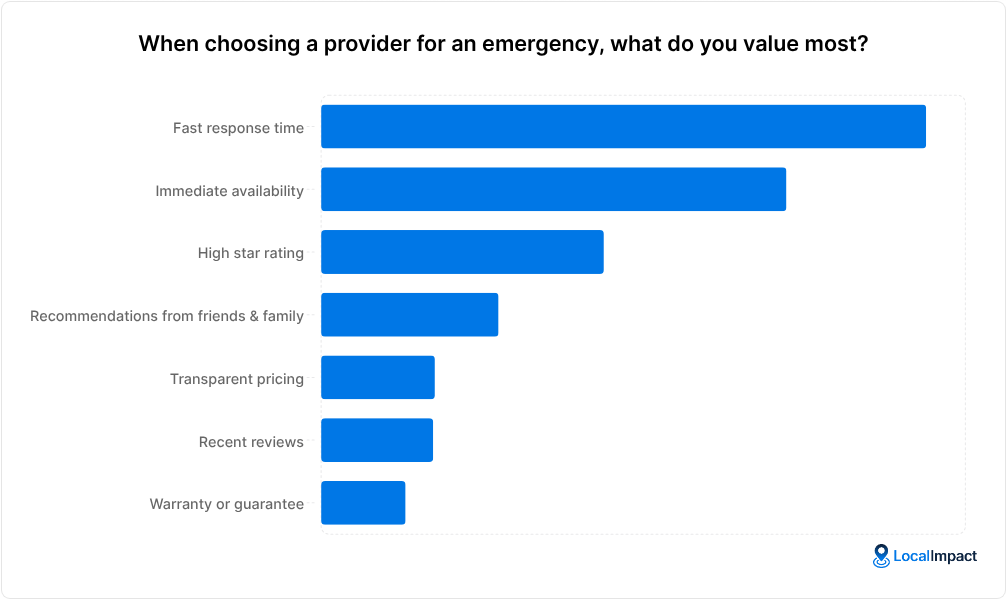
In an emergency, 33% say response time is the single most important factor in choosing who to hire, ranking it ahead of star ratings, recommendations, and price transparency.
When the AC fails or the basement is filling with water, people use response speed as a proxy for whether someone will actually show up. The business that replies fast feels like the business that takes the job seriously.
Then there's what's happening on the operator side. According to our State of HVAC Marketing survey, only 27% of HVAC businesses respond to new inquiries within 15 minutes during business hours.
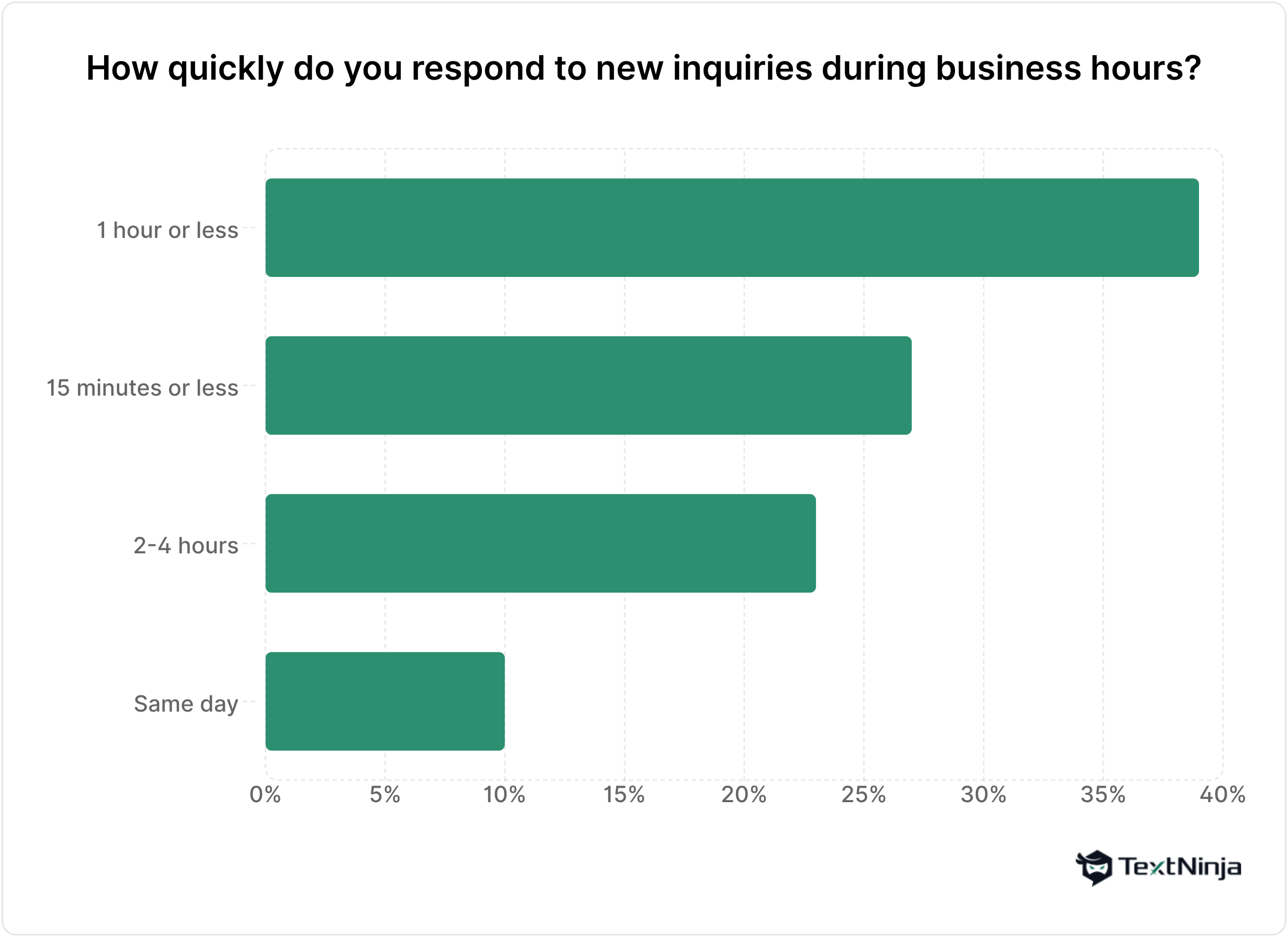
Nearly one in three takes more than two hours, and over one in ten doesn't get back to the customer until much later in the day. The gap between what customers expect and what businesses deliver is wide, and that gap is where jobs disappear.
Homeowners rarely contact just one provider. 85% reach out to two to four businesses before making a decision, and they make those decisions quickly.
Whichever business replies first tends to win, often regardless of who has more reviews or a slightly better rating.
68% of HVAC operators in our survey said they've lost jobs because they missed a call or responded too slowly, and most of those losses are invisible to the business.
Stop losing jobs to slow responses
TextNinja turns website visitors into text conversations so your team can respond faster and win more work.
Start free trial
The customer doesn't send a follow-up explaining they went with someone faster. The inquiry just goes cold, and the team moves on without realizing what happened.
The contact form sits right in the middle of this dynamic. It's the moment where a homeowner decides whether to keep waiting on you or move on to the next name on the list. Most of the time, when the form looks like every other form they've filled out before, they move on.
The fix here has less to do with redesigning the form and more to do with accepting that response speed is now part of the product. Customers expect it. Competitors are racing for it.
The businesses winning more jobs are the ones treating the first inquiry like the most important moment of the customer relationship.
A few things worth putting in place:
- Define what fast actually means for your business: Aiming to reply within an hour leaves you well behind customers who expect a few hours but reward the ones who reply in minutes. Set the bar at 15 minutes during business hours and decide who's accountable for hitting it.
- Give customers a faster way to reach you than a form: A text-first option on your website lets visitors start a real conversation in the channel they already use every day. They get a reply they can actually see, and you get a manageable inbox of conversations rather than a stack of half-anonymous form submissions.
- Centralize where inquiries land: When messages come in through a form, three different phones, a Facebook page, and someone's personal email, follow-up gets messy and slow. A shared inbox means nothing slips through, and ownership stays clear even when the team is slammed.
- Make the first reply automatic: Even a simple "Got your message, someone will be with you in the next 15 minutes" buys you trust. Customers stop shopping the moment they hear from you, and that buys your team time to handle the rest of the conversation properly.
The contact form is doing real work during an emergency, and it's working against you. It's telling customers to keep looking.
The businesses that understand this stop relying on forms as their main front door and replace them with something faster, simpler, and more honest about how they actually want to work with their customers.
How TextNinja can help
TextNinja replaces the contact form with a text-first widget built for the way home service customers actually want to communicate.
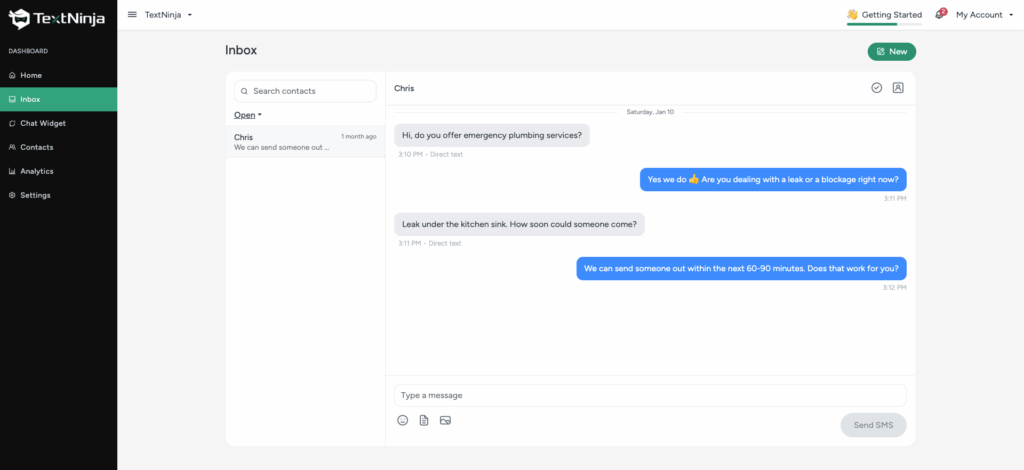
When a visitor lands on your site, they can start a real SMS conversation in seconds, without filling out fields or waiting for a reply that may never come.
Every conversation lands in one shared inbox, so the whole team has visibility into what's been said and who's handling it. Automated first replies make sure customers hear back within seconds, even when the team is in the field or on another job.
For home service operators trying to close the gap between customer expectations and how their business actually responds, TextNinja gives you the system to do it without adding complexity to how the team already works.